Payment Verification Chains in Regulated Mobile Gaming Ecosystems
Tina Lang · Oct 1, 2026
Payment Verification Chains in Regulated Mobile Gaming Ecosystems
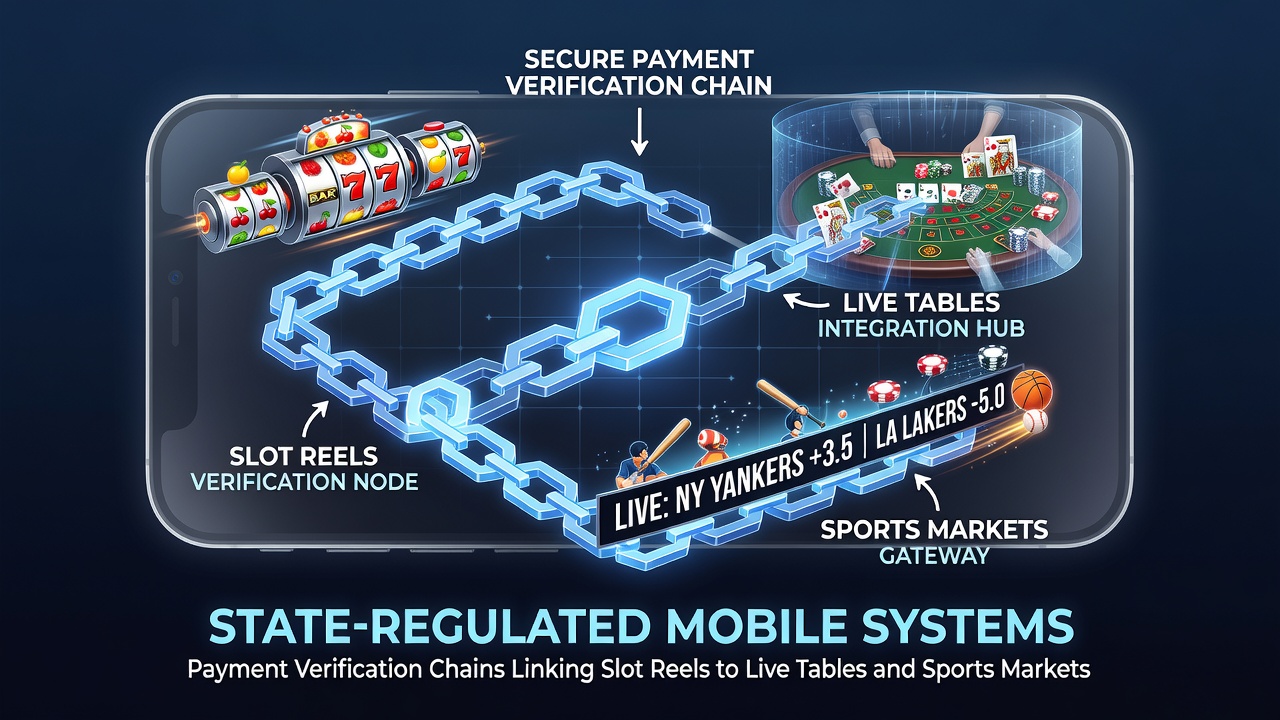
Payment verification chains operate as sequential authentication layers that confirm user transactions before allowing movement between slot reels, live dealer tables, and sports markets inside state-regulated mobile applications, and these systems rely on encrypted ledgers plus real-time API handshakes to maintain compliance across jurisdictions. Developers build the chains so that a deposit verified on a slot machine can transfer instantly to a live poker table without re-entering banking details, while the same verified balance remains available for sports wagers once the player switches formats. State regulators require each link in the chain to log timestamps, device identifiers, and geolocation data to prevent unauthorized access, and this documentation supports audit trails that stretch from initial funding through final withdrawal requests.
Core Components of Verification Chains
Each chain begins with identity confirmation through biometrics or two-factor codes, then proceeds to payment processor validation, and finally ends with format-specific authorization that unlocks the chosen game type, yet the entire sequence must finish in under three seconds to satisfy player expectations in fast-paced mobile environments. Data from October 2026 shows that more than 80 percent of active accounts in New Jersey and Pennsylvania now route through at least one multi-format verification chain, and operators report that average session length increases when players move seamlessly between slots and sports without additional authentication steps. The architecture typically includes a central compliance server that cross-checks every transfer against responsible gaming limits and tax reporting thresholds, while peripheral nodes handle format-specific rules such as table minimums or sports betting odds updates.
Regulatory Oversight Across States
State gaming commissions enforce uniform standards for these chains by mandating that every transaction record remain accessible for a minimum of five years, and they conduct periodic stress tests to verify that the system can handle peak loads during major sporting events without dropping verification steps. According to the New Jersey Division of Gaming Enforcement, verification failures dropped by 14 percent in the first half of 2026 after operators implemented enhanced chain redundancy protocols, and similar improvements appear in regulatory filings from other states that license mobile gaming. These requirements ensure that funds originating from a slot reel deposit cannot bypass sports market safeguards, even when the player attempts rapid format switching on the same device.
Integration Across Gaming Formats
Slot reel sessions feed directly into live table environments when verification chains confirm sufficient cleared funds, and the same cleared balance can support sports market entries without additional processor calls once the initial chain completes its sequence. Observers note that this integration reduces friction for players who begin with mechanical reel spins and later shift to hosted table sessions or athletic predictions, because the verification layer treats all formats as interchangeable endpoints on a single authenticated session. In October 2026 several operators introduced optional chain extensions that let verified sports wagers influence table game buy-ins through loyalty point conversions, although regulators still require separate authorization tokens for each format to preserve audit granularity.
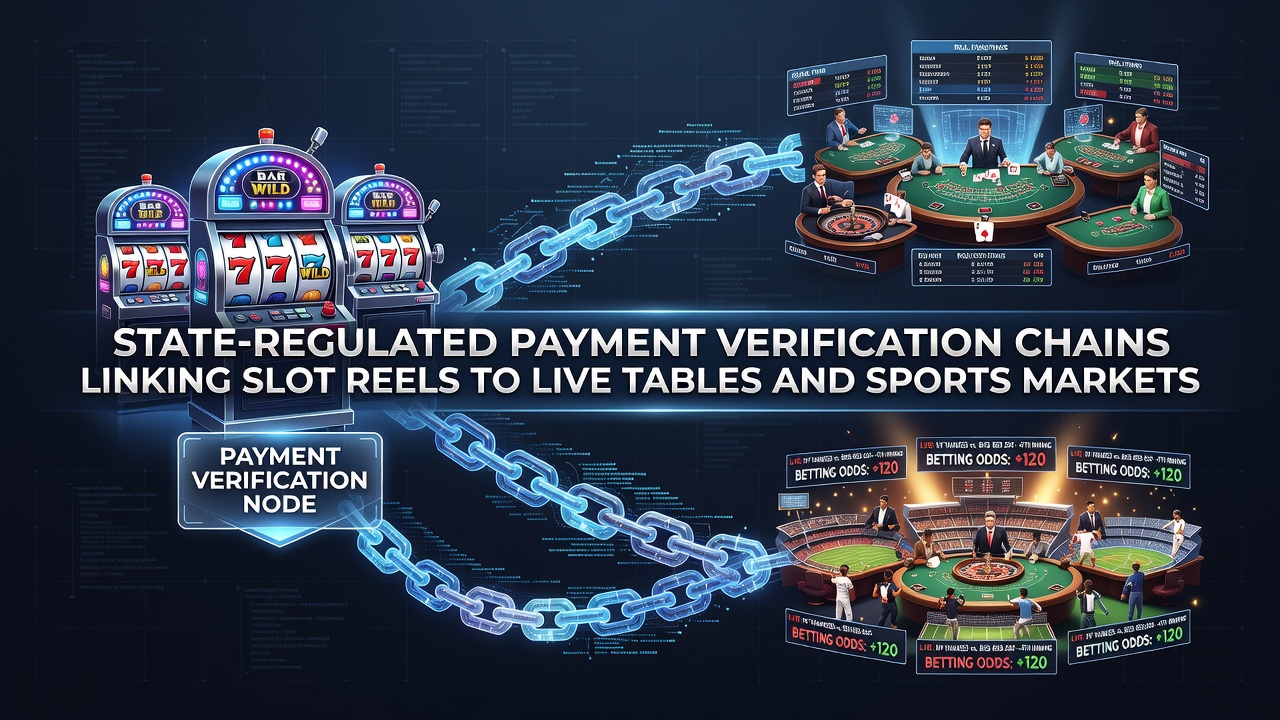
Technical teams achieve these connections through standardized JSON payloads that carry balance snapshots, verification status flags, and session tokens across different game servers, and the payloads remain encrypted end-to-end to meet state encryption mandates. Researchers at the University of Nevada, Las Vegas documented that platforms employing unified verification chains experienced 23 percent fewer abandoned carts during format transitions compared with systems that required repeated logins, and the study covered data collected through mid-2026 across multiple state markets.
Security Measures and Data Handling
Encryption protocols wrap each segment of the verification chain so that interception attempts yield only meaningless strings, while anomaly detection algorithms flag unusual movement patterns such as rapid switches between high-stakes sports markets and low-denomination slots. State rules also require that any third-party payment processor participating in the chain maintain independent SOC 2 certification, and operators must submit annual penetration test results to the relevant commission before renewing their mobile licenses. These layered protections create a closed environment where funds verified once can serve multiple formats without exposing raw banking credentials to game servers, and the approach aligns with broader cybersecurity expectations for consumer-facing financial applications.
Future Developments in Chain Architecture
Industry groups continue to explore zero-knowledge proofs that could shorten verification times further while still satisfying regulatory record-keeping demands, and early pilots in two states during 2026 demonstrated sub-second transfers between slot reels and live tables without compromising compliance logs. The American Gaming Association has published guidance documents that outline best practices for maintaining chain integrity during software updates, and operators reference these materials when preparing for scheduled regulatory reviews. As mobile platforms expand into additional states, verification chains will likely incorporate cross-jurisdiction recognition protocols that allow a single authenticated session to remain valid when a player travels between licensed markets, provided geofencing rules remain satisfied at each step.
Conclusion
Payment verification chains now form the backbone of fluid movement between slot reels, live tables, and sports markets inside state-regulated mobile systems, and their continued refinement supports both regulatory compliance and player convenience across expanding U.S. markets. Data collected through October 2026 indicates steady adoption of these integrated architectures, while ongoing collaboration between operators and commissions shapes the technical standards that keep each link secure and auditable. The result is a connected ecosystem where verified funds serve multiple gaming formats without repeated authentication hurdles, provided all parties adhere to the established chain protocols.