Diverse Payment Methods Influencing Participation Trends in US Mobile Multi-Game Environments
Zoe Müller · Oct 15, 2026
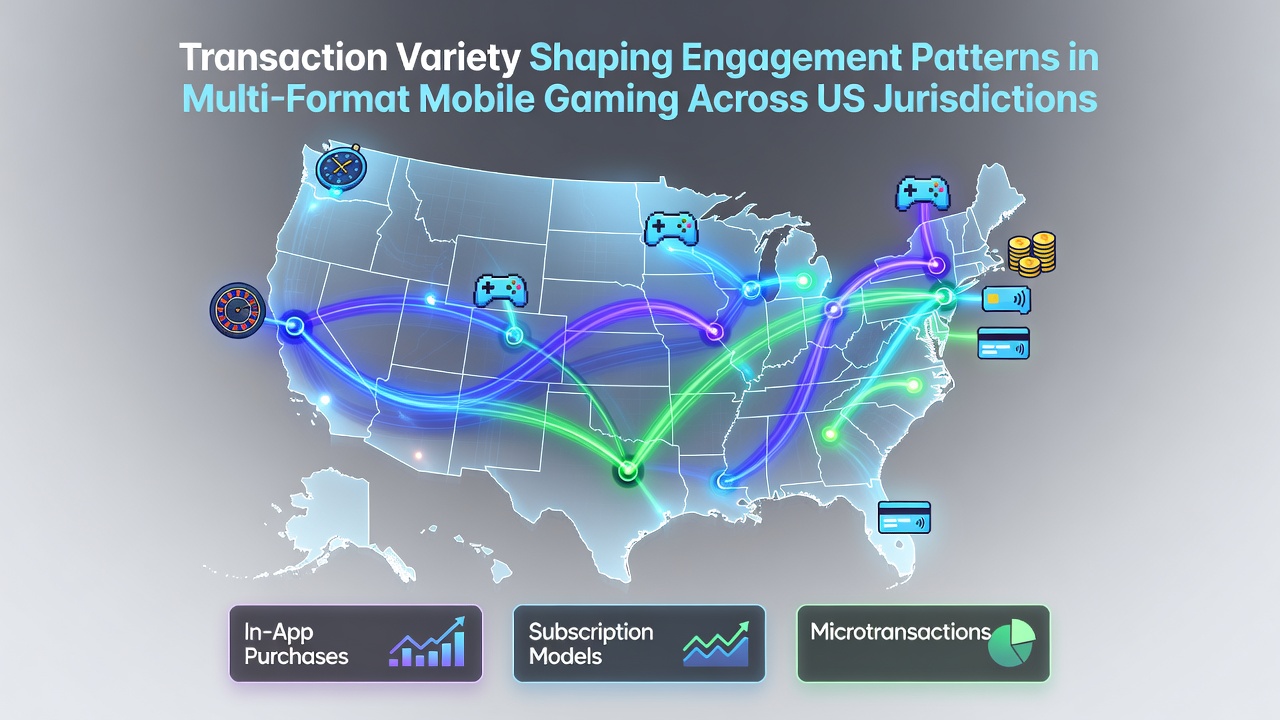
Diverse Payment Methods Influencing Participation Trends in US Mobile Multi-Game Environments
Transaction variety has become a central factor in how users interact with mobile gaming platforms that combine slots, live dealer tables, and sports wagering in states with regulated markets. Data from multiple jurisdictions shows that platforms offering multiple deposit and withdrawal channels experience different session lengths and format-switching rates compared to those with limited options.
State-Level Regulatory Contexts
Regulated environments in New Jersey, Pennsylvania, and Michigan have documented distinct patterns since expanded mobile access began. The New Jersey Division of Gaming Enforcement reported that verified payment integrations rose steadily through 2025, with platforms supporting both traditional banking and digital wallets recording higher cross-format activity. Similar observations appear in reports covering Illinois and West Virginia, where operators track user movement between game types after initial funding choices.
Researchers at the University of Nevada, Las Vegas have examined how verification speed and available methods correlate with sustained engagement across mechanical, table-based, and predictive formats. Their findings indicate that states with earlier adoption of e-wallet partnerships often see quicker transitions between game categories once accounts are funded.
Transaction Types and Format Usage
Platforms that connect users to slots, poker rooms, and sportsbooks through shared payment rails show measurable differences in how players allocate time. Credit and debit card deposits remain common entry points, yet instant bank transfers and cryptocurrency options appear more frequently in records of multi-format sessions. Observers note that users who complete deposits via digital assets often proceed to sports markets within the same login period at higher rates than those using slower verification paths.
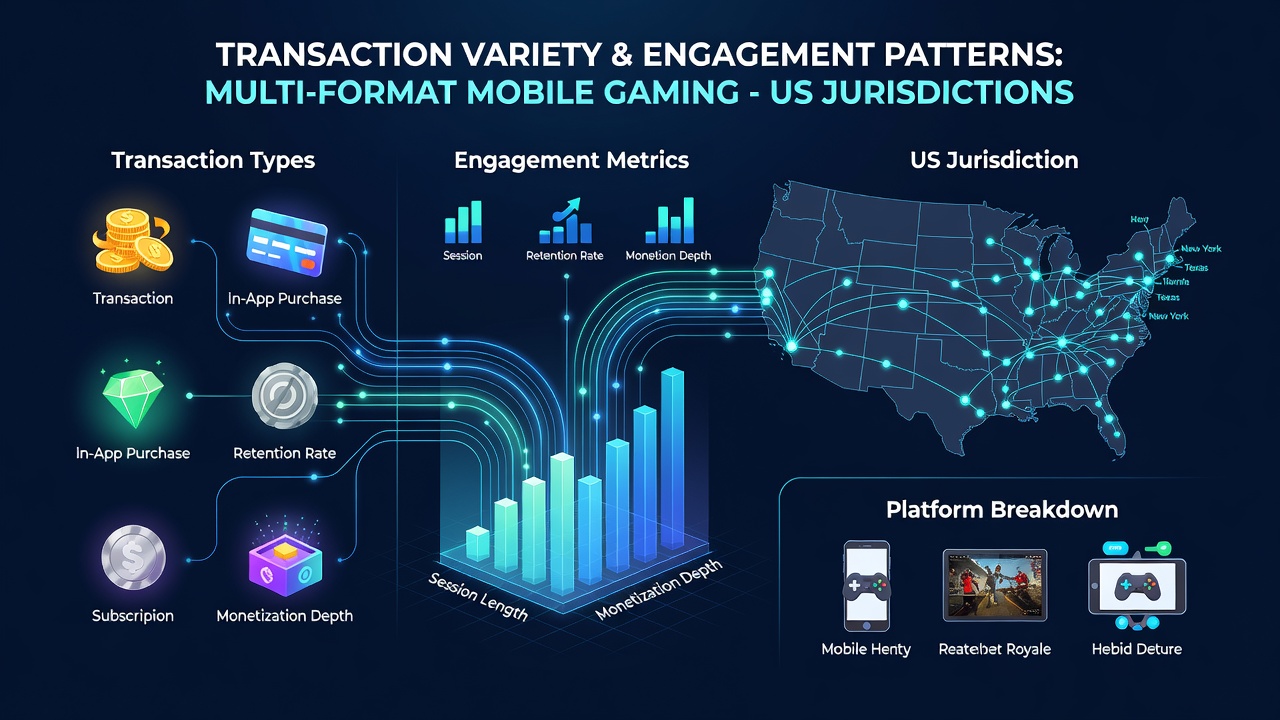
Industry data compiled by the American Gaming Association tracks these shifts through quarterly operator submissions. Figures from 2025 reveal that wallets supporting both ACH pulls and card-based top-ups correlate with increased table-game minutes per user in several states. Meanwhile, platforms limited to card-only deposits display steadier but narrower engagement confined largely to slot content.
Patterns Observed in October 2026
By October 2026, additional states had finalized mobile frameworks that require clear disclosure of all accepted transaction methods at account creation. Early compliance filings indicate that jurisdictions mandating visible payment diversity at onboarding report elevated format exploration within the first seven days of activity. Analysts tracking these filings note that seamless movement between verified balances and different game servers reduces friction that previously kept users within single categories.
Case records from operators in Connecticut and Arizona show that players utilizing instant withdrawal options after sports wagers frequently return to slot or table play within the same session. This sequence appears less common when withdrawal processing requires additional verification steps or third-party approvals.
Integration Challenges Across Jurisdictions
Technical compatibility between payment processors and gaming engines varies by state statute. Some regulatory codes require separate ledgers for each format, while others permit unified balances that simplify transfers. Data collected through state portals demonstrates that unified-balance systems coincide with higher rates of format switching once initial deposits clear.
Payment providers operating across borders have adjusted their API offerings to meet differing state rules on transaction logging and responsible gaming flags. These adjustments allow platforms to maintain consistent user experiences even as legal requirements change from one jurisdiction to another.
Conclusion
Available records across multiple US markets establish that the range of transaction methods available on mobile platforms connects directly to how users distribute time among slots, live tables, and sports products. States continue to refine disclosure and verification standards, and operators adjust integrations accordingly. The resulting patterns remain measurable through ongoing regulatory submissions and operator reporting cycles.